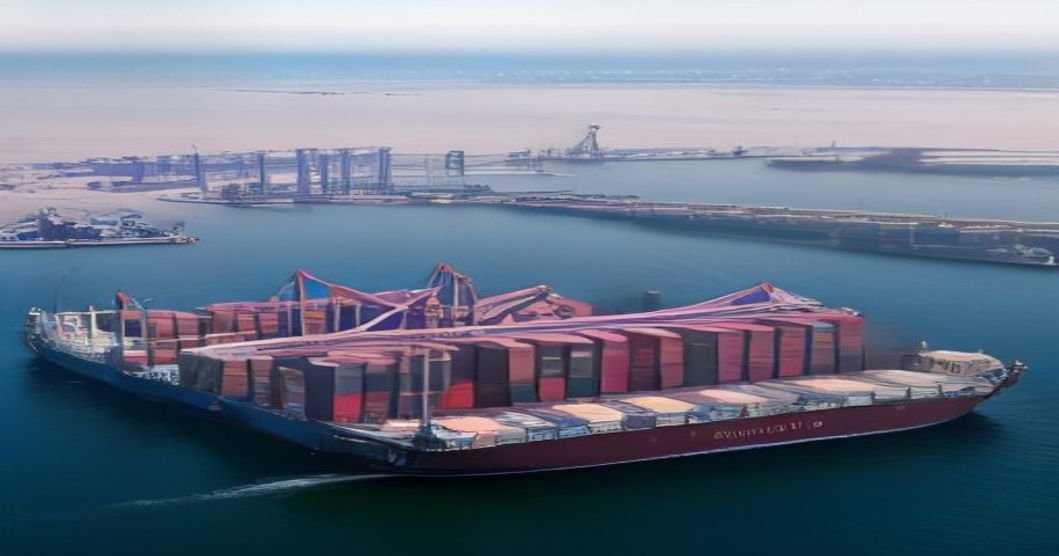
Qatar has built a network of free zones and special economic platforms designed to attract foreign investment, particularly in logistics, technology and financial services. The two flagship frameworks are the Qatar Free Zones Authority (QFZA) and the Qatar Financial Centre (QFC).
Qatar Free Zones Authority (QFZA)
QFZA oversees two main free zones strategically located around Doha’s transport hubs:
- Umm Alhoul Free Zone — adjacent to Hamad Port, ideal for maritime, logistics and light manufacturing.
- Ras Bufontas Free Zone — next to Hamad International Airport, focused on technology, logistics and emerging industries.
Free zone companies enjoy 100% foreign ownership, no restrictions on capital repatriation, and exemptions from customs duties on goods within the zone.
Qatar Financial Centre (QFC)
The QFC is an onshore business and financial centre with its own legal and regulatory framework based on English common law. It is designed for financial services, professional services and holding companies. QFC firms can operate across Qatar (not just within a physical zone) and benefit from 100% foreign ownership and a competitive tax regime.
Key Incentives
- 100% foreign ownership in both QFZA and QFC.
- Competitive corporate tax — QFC applies a 10% tax on locally sourced profits; free zone entities enjoy tax benefits under Qatar’s incentive framework.
- Full profit repatriation and no restrictions on currency exchange.
- Access to world-class infrastructure — ports, airport and logistics networks.
Which Should You Choose?
Choose QFZA if your business is logistics, manufacturing, e-commerce fulfilment or anything tied to physical goods movement. Choose QFC if you are in financial or professional services, or need an onshore presence with an internationally recognised legal framework. For standard commercial activities, a direct onshore MOCI licence may still be simplest.
Conclusion
Qatar’s free zones are a core part of its economic diversification strategy. For the right business — especially in trade, logistics and financial services — they offer a compelling combination of ownership freedom, tax efficiency and strategic location at the heart of the Gulf.