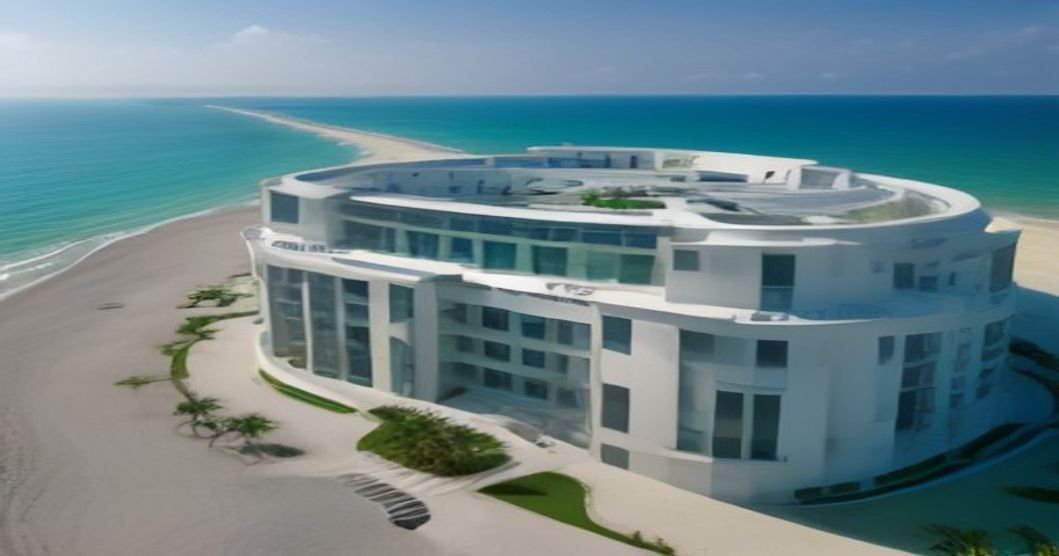
Tourism is rapidly becoming one of the Gulf’s most important economic sectors. Long reliant on oil, GCC governments are now investing heavily in attractions, hospitality and aviation to turn the region into a global travel destination — and the results are already visible.
Saudi Arabia’s Historic Push
Saudi Arabia is pursuing the most ambitious tourism agenda in the region, targeting 150 million visits per year by 2030. The Kingdom has opened to international leisure tourism, launched an e-visa programme and is building mega-destinations including NEOM, Red Sea Global, Qiddiya and Diriyah. Religious tourism (Hajj and Umrah) remains a powerful foundation, now being expanded into a broader leisure offering.
The UAE: A Proven Global Destination
The UAE — led by Dubai and Abu Dhabi — is already a world-class tourism market, drawing tens of millions of visitors a year with iconic attractions, luxury hotels and major events. Dubai’s Expo legacy, world-leading airports and year-round appeal keep it the region’s tourism anchor.
Qatar and the Others
Qatar leveraged the 2022 FIFA World Cup to build world-class hospitality and transport infrastructure, and continues to grow its visitor economy. Oman is carving out a niche in luxury and eco-tourism, while Bahrain is known for its heritage and weekend-tourism appeal from neighbouring Saudi Arabia.
What’s Driving the Boom
- Aviation connectivity — Emirates, Qatar Airways, Etihad and Saudia link the Gulf to every continent.
- Mega-events — World Cups, Formula 1, Expo and major sporting and entertainment events.
- Visa reform — e-visas, visa-on-arrival and the unified GCC tourist visa now in development.
- Infrastructure investment — new airports, resorts and cultural attractions.
Opportunities for Business
The tourism boom creates opportunities across hospitality, food and beverage, travel services, entertainment, and the broader supply chain. From hotel management to tour operations and MICE (meetings and events), tourism is becoming one of the Gulf’s most dynamic sectors for entrepreneurs and investors alike.
Conclusion
Tourism is no longer a side industry in the Gulf — it is a strategic priority. For businesses, the sector offers a fast-growing market backed by unprecedented government investment and a clear long-term vision.