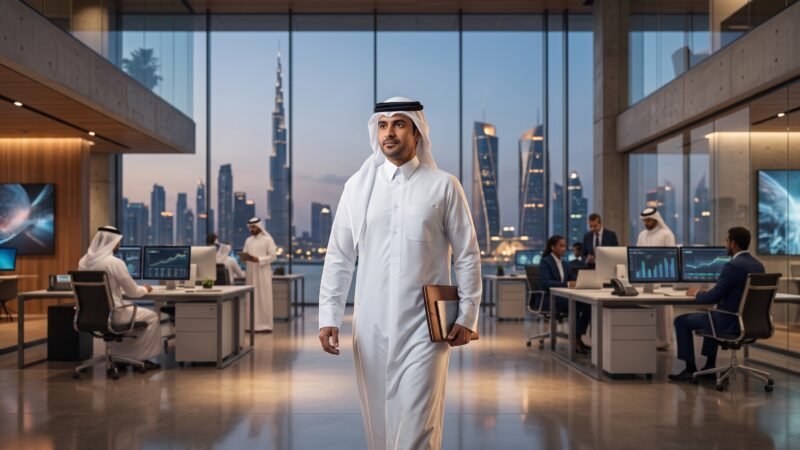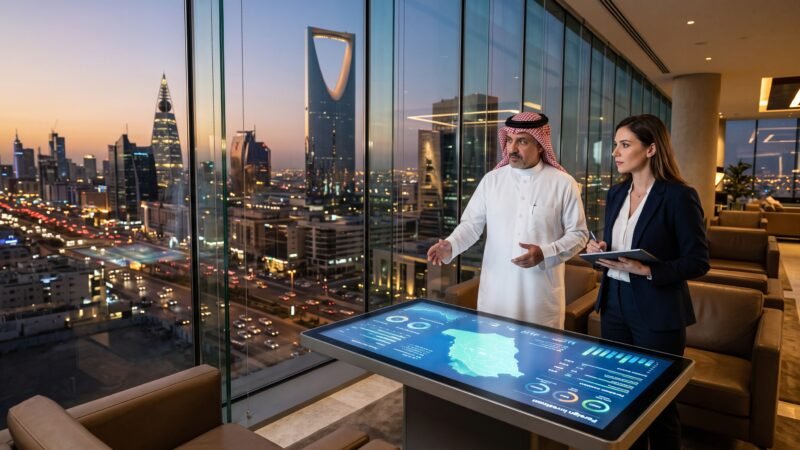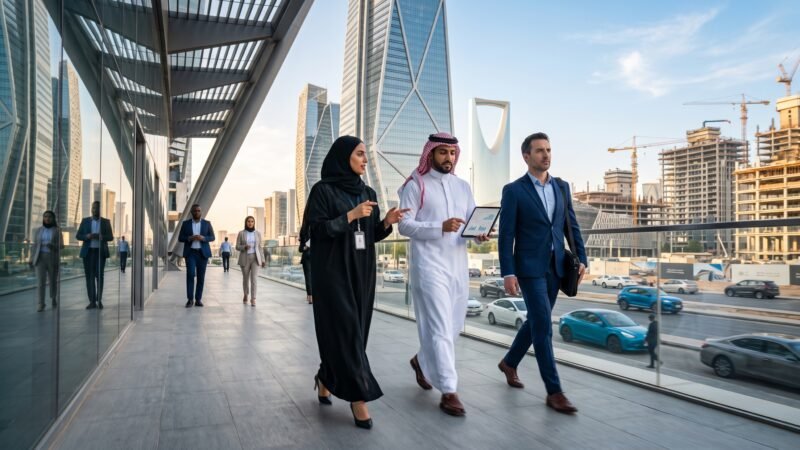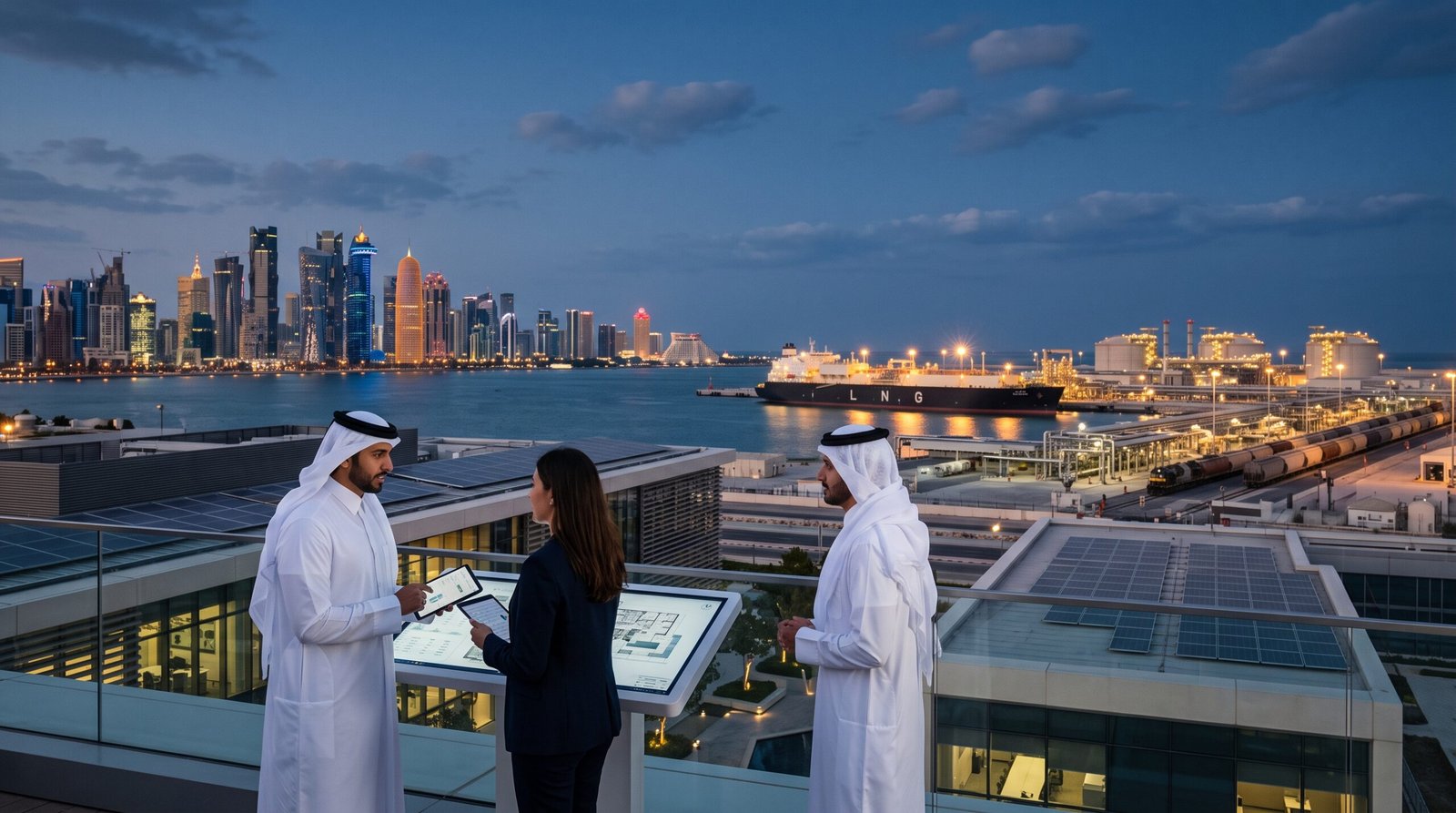
As we navigate the midpoint of 2026, Qatar’s economic narrative has shifted from the post-tournament recovery phase into a period of structural maturity. For business leaders across the GCC, the Qatari market in 2026 represents a unique blend of massive capital expenditure in the energy sector and a disciplined execution of the Third National Development Strategy (NDS3). While the headlines of 2022 were dominated by stadiums and spectators, the headlines of 2026 are defined by the first flows of liquefied natural gas (LNG) from the North Field East expansion and a reinvigorated private sector.
The 2026 outlook is characterized by a “re-coupling” of the hydrocarbon and non-hydrocarbon sectors. Unlike previous cycles where gas wealth sat somewhat apart from the local SME ecosystem, current policy frameworks have tightened the links between state-led energy projects and local value chains. For investors in Saudi Arabia and the UAE, Qatar today offers a complementary landscape—one that is less about retail and real estate speculation and more about industrial technology, logistics, and specialized financial services.
The LNG Pivot: From Construction to Production
The cornerstone of the 2026 economic profile is the North Field Expansion (NFE). We are now witnessing the initial phases of production from the North Field East, the first of two major phases intended to boost Qatar’s LNG production capacity from 77 million tonnes per annum (mtpa) to 126 mtpa by the end of the decade. This is not merely a boost to the export balance; it is a fundamental shift in fiscal capacity.
Energy-driven fiscal resilience has allowed the Qatari government to maintain a surplus despite global commodity price fluctuations. For the GCC business community, this translates to a stable currency and a predictable tax environment. Unlike other global economies still grappling with the tail-end of inflationary pressures from the mid-2020s, Qatar’s energy-backed sovereign wealth has provided a buffer that keeps domestic borrowing costs relatively competitive.
However, the 2026 energy story is not just about volume. It is about low-carbon LNG. QatarEnergy’s investments in carbon capture and storage (CCS) integrated into the NFE project have become a critical selling point in the European and Asian markets. This focus on “blue” energy is a trend that Saudi Arabia’s Aramco and the UAE’s ADNOC are also pursuing, creating a regional bloc of “responsible” hydrocarbon producers that are setting global benchmarks for the 2030s.
The Third National Development Strategy (NDS3) in Action
By 2026, the impact of the Third National Development Strategy (2024-2030) is becoming visible in the manufacturing and technology sectors. The NDS3 was designed to address the “missing middle” of the Qatari economy—the gap between massive state-owned enterprises and small, fragmented retail businesses. Current data suggests a significant uptick in mid-sized industrial ventures, particularly in chemicals, plastics, and specialized construction materials.
For entrepreneurs and SMEs, the NDS3 has introduced more sophisticated procurement rules. Government tenders now increasingly favor companies that demonstrate high levels of “In-Country Value” (ICV). This mirrors the programs seen in Saudi Arabia and Oman, creating a standardized expectation for foreign firms: if you want to win a contract in Doha, you must hire locally, source locally, and transfer technology locally.
Key Growth Clusters under NDS3:
- Advanced Manufacturing: Utilizing low-cost feedstock from the North Field to produce high-value derivatives.
- Logistics and Maritime: Leveraging Hamad Port as a re-export hub, particularly for specialized equipment moving between Asia and the Upper Gulf.
- Agri-Tech: Following the food security concerns of the early 2020s, Qatar has achieved significant self-sufficiency in dairy and poultry, with 2026 focusing on high-tech greenhouse production.
The Evolution of the Digital Economy and Fintech
Technology is no longer a peripheral sector in Doha. In 2026, the Qatar Financial Centre (QFC) and the Qatar Science & Technology Park (QSTP) have successfully attracted a cluster of fintech and “deep tech” firms. The focus has moved away from general e-commerce toward B2B financial technology and AI-driven industrial solutions.
The Qatar Central Bank’s proactive stance on digital assets and the sandbox environments for fintech startups have yielded results. We are seeing a rise in cross-border payment solutions that cater specifically to the GCC’s intra-regional trade. For a business owner in Riyadh or Dubai, 2026 has made it significantly easier to manage liquidity and payments across the Qatari border, thanks to the harmonization of digital banking standards across the Peninsula.
Artificial Intelligence is being integrated into the public sector through the “Digital Qatar” initiative. By 2026, administrative processes for business licensing and visa renewals have become almost entirely automated, reducing the “cost of doing business” which was historically a complaint among foreign investors. This digital efficiency is a key pillar of Qatar’s competition with regional hubs like Riyadh and Dubai for corporate headquarters.
Tourism and the MICE Sector: Beyond the 2022 Legacy
One of the most persistent questions following 2022 was how Qatar would fill its massive hotel inventory. In 2026, the answer has crystallized: MICE (Meetings, Incentives, Conferences, and Exhibitions) and Sports Tourism. Doha has positioned itself as the “neutral ground” for global sports governance and high-level diplomatic and economic summits.
The tourism strategy in 2026 is less about mass-market volume and more about “high-value” visitors. This includes specialized medical tourism, luxury stopovers for Qatar Airways passengers, and a packed calendar of sporting events ranging from Formula 1 to regional championships. The expansion of the “Hayya” platform into a comprehensive tourist and business entry portal has streamlined access, making “weekend trips” from neighboring GCC countries a major driver of retail and hospitality revenue.
For investors, the opportunity in 2026 has shifted from building new hotels to asset management and niche experiences. The oversupply of high-end rooms seen in 2023-2024 has largely been absorbed or repurposed into branded residences, which are currently seeing strong demand from the growing expatriate professional class working on the North Field projects.
Regional Integration and the GCC Common Market
The 2026 outlook cannot be viewed in isolation from the broader GCC economic landscape. The relationship between Qatar, Saudi Arabia, and the UAE has moved into a phase of “competitive collaboration.” While they compete for FDI, there is an increasing realization that a unified GCC market is more attractive to global capital than six individual markets.
The progress on the GCC Rail project is a major talking point in 2026. While full connectivity is still a work in progress, the technical and regulatory alignment between Qatar and Saudi Arabia has improved significantly. This has opened doors for logistics companies to view the Eastern Province of Saudi Arabia and Qatar as a single economic zone. For a manufacturer in Qatar, the “hinterland” has effectively expanded to include the millions of consumers in the Saudi market.
“The 2026 Qatari economy is no longer just a gas station with a sovereign wealth fund; it is a sophisticated node in a regional network of high-tech industrial hubs.” — Regional Economic Analyst, GulfBizTech
Challenges and Risks to Watch in 2026
While the outlook is generally positive, the Qatari economy faces specific headwinds in 2026 that businesses must account for in their risk registers. The most prominent is the global energy transition pace. While Qatar is a low-cost producer, any sudden acceleration in global decarbonization policies could affect long-term LNG contract pricing, even if volumes remain secure.
Internally, talent retention remains a challenge. As Saudi Arabia’s “Giga-projects” reach peak activity in 2026, there is intense competition for specialized engineering and management talent across the GCC. Qatar has responded with more flexible residency laws, including the expansion of the “Mustaqel” (Freelancer) visa and permanent residency options for high-net-worth investors, but the “war for talent” remains a cost driver for the private sector.
Inflationary pressures in the service sector also require monitoring. While the government has been successful in subsidizing essential goods, the cost of specialized services and high-end housing in certain districts of Lusail and The Pearl remains high, impacting the “cost of living” for the senior executive class.
Opportunities for Investors and Business Owners
In 2026, the most lucrative opportunities in Qatar are found in the ancillary services surrounding the energy sector. This includes environmental consulting, specialized maintenance, and industrial IoT (Internet of Things) solutions. The government’s mandate to modernize the energy infrastructure means that any technology that can reduce methane leakage or improve energy efficiency in LNG trains is in high demand.
The Real Estate market has also matured. We are seeing a move away from pure residential development toward mixed-use “work-live-play” districts. Lusail City, in particular, has reached a critical mass in 2026, with major corporate entities relocating their headquarters from central Doha. This has created a secondary market for commercial services, specialized retail, and private education facilities in the northern suburbs.
For Foreign Investors, the 100% ownership laws introduced in the early 2020s are now the standard. However, the real value is found in partnering with local entities that understand the nuances of the NDS3. The Qatar Investment Authority (QIA) is also increasingly looking at “inbound” investments—partnering with global firms to bring their manufacturing or tech hubs to Doha, rather than just investing in real estate in London or New York.
What Should GCC Readers Watch Next?
As we move through 2026, there are several key milestones that will dictate the economic trajectory for the next three years. Business leaders should keep a close eye on the following:
- NFE Phase 2 Announcements: Any updates on the North Field South (NFS) project timelines will signal the next wave of major construction contracts.
- The 2027 Budget Statement: Released in late 2026, this will reveal how the government intends to utilize the first significant revenues from the new LNG trains—whether it goes into further diversification or debt reduction.
- GCC VAT Harmonization: While Qatar has been cautious, discussions regarding the implementation of Value Added Tax (VAT) continue. Any movement here would have immediate implications for consumer behavior and accounting standards.
- Sustainability Benchmarks: Watch for the first “Green Gas” certificates being issued in Doha, which could change the way energy is traded in the region.
Practical Considerations for Navigating the 2026 Market
For those looking to enter or expand in Qatar this year, the approach must be data-driven and aligned with national priorities. ESG (Environmental, Social, and Governance) is no longer an optional “extra” in corporate reports; it is a requirement for any firm seeking to work with major entities like QatarEnergy or the Qatar Foundation.
Furthermore, the localization of the workforce (Qatarization) is being applied with more nuance. In 2026, the focus is not just on numbers, but on the quality of roles held by Qatari nationals. Companies that offer genuine career development and leadership paths for local talent find themselves with a significant competitive advantage in the regulatory landscape.
Networking has also evolved. The traditional “majlis” style of business remains important, but it is now augmented by high-tech networking hubs. Engaging with the Invest Qatar (Investment Promotion Agency Qatar) is now a mandatory first step for any serious foreign entity, as they provide the roadmap through the various free zones and incentive packages available.
Conclusion: A Decade of Disciplined Growth
The Qatar economy in 2026 is a testament to the “long game.” The country has successfully avoided the “post-event slump” that many predicted after 2022 by pivoting immediately to its core strength: energy, and using that strength to fund a very specific, high-tech version of diversification. It is an economy that values stability and specialized expertise over rapid, speculative growth.
For the GCC business community, Qatar in 2026 offers a market that is predictable, well-capitalized, and increasingly integrated with its neighbors. The key takeaway for investors and professionals is that the “World Cup era” is officially over, and the “North Field era” has begun. This new era is less about the eyes of the world being on Qatar, and more about Qatar’s role in the global energy and technology supply chains. Those who align their business models with this industrial and digital reality will find 2026 to be a year of significant, sustainable opportunity.
As we look toward 2027 and beyond, the focus will remain on how effectively Qatar can translate its renewed gas wealth into a “knowledge economy” that can survive a future beyond hydrocarbons. For now, the 2026 outlook suggests that the foundation for that transition is being laid with characteristic precision and unprecedented fiscal power.