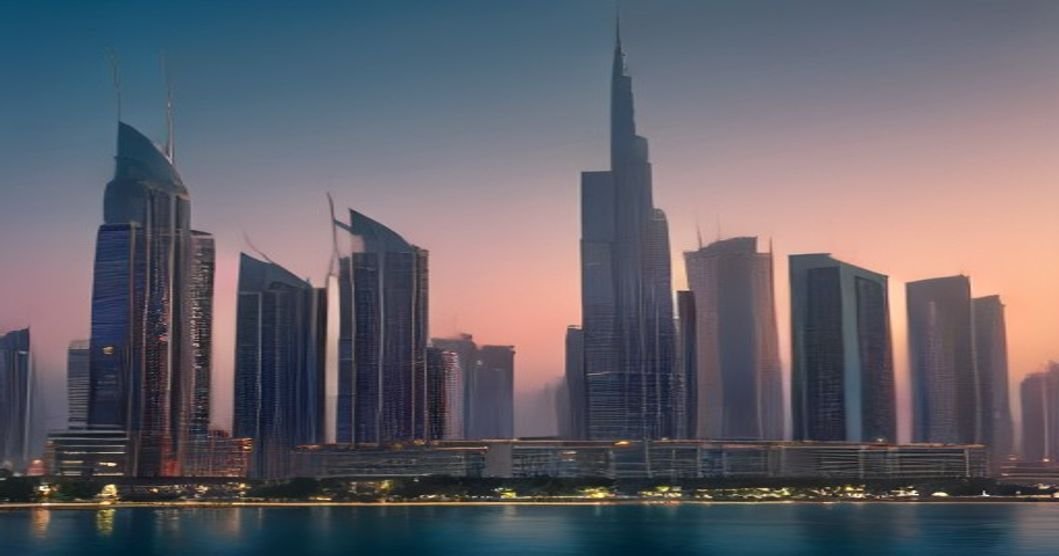
Dubai’s property market has been one of the world’s strongest performers since 2021, fuelled by the Golden Visa, a surge of high-net-worth buyers and strong rental demand. Here is where the market stands in 2026 and where investors should look.
Why Dubai Real Estate Keeps Rising
Several structural drivers underpin the market: the Golden Visa (long-term residency for investors and professionals), zero personal income tax, a business-friendly regulatory environment, and Dubai’s position as a safe-haven destination between Europe and Asia. These factors have attracted capital from across the globe — Russia, Europe, India, China and the wider region.
Key Market Trends for 2026
- Record transaction volumes — off-plan and ready sales continue to climb.
- Luxury demand — branded residences and waterfront properties remain the hottest segment.
- Rental growth — rents have risen sharply, pushing yields in many areas above historical norms.
- New supply — a wave of new launches is adding inventory, especially in emerging master communities.
Best Areas to Watch
Prime established areas — Downtown Dubai, Dubai Marina, Palm Jumeirah and Emirates Hills — remain blue-chip choices for long-term value. Emerging growth areas such as Dubai South (near the new airport), Dubai Creek Harbour and the expo-city corridor offer strong upside as infrastructure matures. For rental yield, communities like Jumeirah Village Circle (JVC) and Dubai Silicon Oasis remain popular.
Off-Plan vs Ready
Off-plan offers attractive payment plans and lower entry prices but carries construction and delivery risk. Ready properties generate immediate rental income and are easier to finance. A balanced approach — buying ready for cash flow and off-plan selectively for capital appreciation — suits many investors.
The Outlook
Analysts broadly expect Dubai’s market to remain resilient, supported by population growth and the city’s global appeal. As with any market, location, developer reputation and price-per-square-foot discipline matter most. Buyers who focus on quality assets in established or strategically located areas are best positioned for the next phase of growth.